.svg)
.svg)


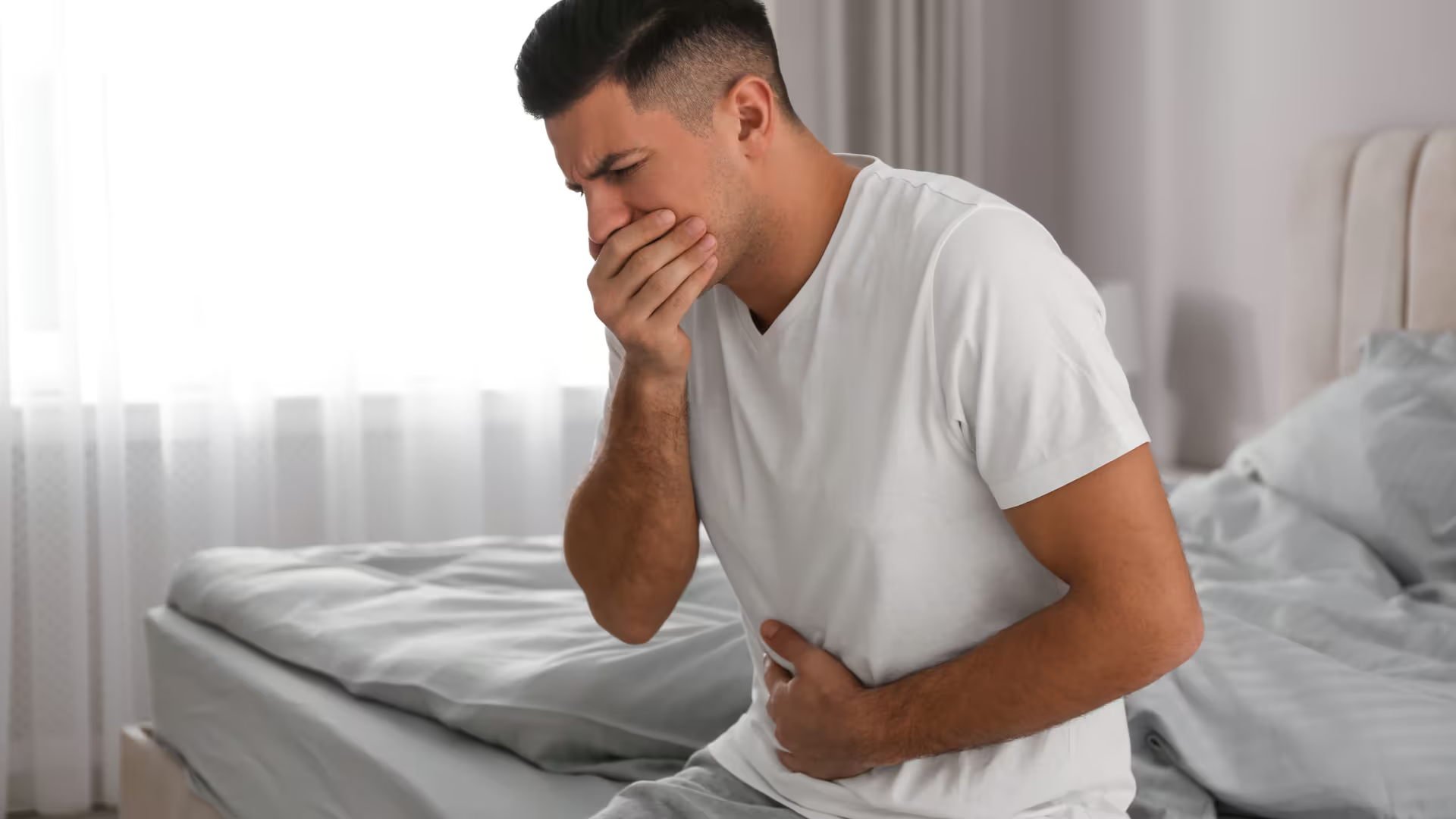
Bacteria are a normal and important part of your digestive system, but too many in the wrong place can cause problems. Small intestinal bacterial overgrowth (SIBO) occurs when bacteria multiply excessively in the small intestine, where bacterial levels are normally much lower than in the large intestine. Research estimates that SIBO affects anywhere from 2.5% to 22% of the population, meaning millions of people may experience this disruption to their digestive health.
SIBO can cause bloating, gas, abdominal pain, diarrhea, and other symptoms that are easy to mistake for another digestive problem, such as IBS. If persistent symptoms have you searching for the best gastroenterologist in Los Angeles, keep reading to learn what causes SIBO, which signs to watch for, how doctors diagnose it, and what treatment may involve.
What Is SIBO and What Causes It?
The small intestine does much of the work of breaking down food and absorbing nutrients. While bacteria naturally live throughout the digestive tract, the small intestine normally contains far fewer than the large intestine. SIBO develops when too many bacteria accumulate in the small intestine.
These excess bacteria begin fermenting carbohydrates from the food you eat, producing gases such as hydrogen and methane. The buildup of gas contributes to the bloating, abdominal discomfort, and changes in bowel habits often associated with SIBO. Bacterial overgrowth can also interfere with normal digestion and nutrient absorption, particularly when SIBO becomes more severe or persists over time.
So, what causes SIBO in the first place? It often develops when another condition or change in the digestive tract allows bacteria to accumulate. Potential contributors include:
- Problems with intestinal movement: When food moves too slowly through the small intestine, bacteria have more time to multiply.
- Structural changes: Previous abdominal surgery or abnormalities in the small intestine can create areas where food and bacteria collect.
- Certain digestive or medical conditions: Crohn's disease, celiac disease, diabetes, and other conditions can affect the environment or movement of the small intestine.
Identifying these contributing factors can be an important part of managing SIBO, especially when bacterial overgrowth keeps returning.
What Are the Most Common Symptoms of SIBO?
The signs of SIBO often begin with changes you can feel after eating. When excess bacteria in the small intestine ferment carbohydrates, they produce gases that can leave you feeling unusually bloated or uncomfortable. Changes in digestion can also affect your bowel habits.
Common SIBO symptoms include:
- Abdominal bloating or a feeling of fullness after eating
- Excess gas
- Abdominal pain or cramping
- Diarrhea
- Nausea
- Loss of appetite
When SIBO interferes with nutrient absorption, symptoms can extend beyond digestive problems. Some people may experience unintentional weight loss, fatigue, or nutritional deficiencies. For example, vitamin B12 deficiency can occur in more significant cases.
The difficult part is that none of these symptoms point exclusively to SIBO. IBS, celiac disease, inflammatory bowel disease, and other gastrointestinal conditions can cause similar problems. If bloating, diarrhea, or abdominal discomfort keeps coming back, talk with a gastroenterologist rather than assuming SIBO is the cause. They can help determine what is behind your symptoms and whether SIBO testing makes sense.
How Do Doctors Test for SIBO?
Because SIBO shares symptoms with several other digestive conditions, your symptoms alone cannot confirm that you have it. The best GI doctor in Los Angeles will typically ask about your symptoms, medical history, medications, previous abdominal surgeries, and other factors that could contribute to bacterial overgrowth. From there, they may recommend testing to look for SIBO itself, related nutritional problems, or an underlying cause.
How To Treat SIBO
Once you receive a SIBO diagnosis, treatment usually focuses on reducing the bacterial overgrowth, addressing any nutritional problems it has caused, and managing the underlying issue when one can be identified.
Depending on your needs, SIBO treatment may include:
- Antibiotics for SIBO: Antibiotics are the standard medical treatment for reducing bacterial overgrowth in the small intestine. The medication and length of treatment may vary depending on your individual case.
- Nutritional support: If SIBO has interfered with nutrient absorption, supplements can help correct vitamin or mineral deficiencies. Your doctor may also recommend dietary changes to support your nutritional needs and help manage symptoms.
- Treatment for an underlying condition: When another condition contributes to SIBO, treating it can play an important role in preventing bacterial overgrowth from returning. This may include treatment for problems that slow intestinal movement or, in some cases, a structural issue within the digestive tract.
Recurring SIBO can be a concern when the underlying issue that contributed to bacterial overgrowth is still present. Follow-up care allows your gastroenterologist to see how well treatment worked, address symptoms that continue or return, and decide whether you need additional treatment or testing.
Find the Best Gastroenterologist in Los Angeles for SIBO Care
SIBO can cause everything from persistent bloating and abdominal pain to nutritional deficiencies, and effective care starts with understanding what is driving those symptoms. Proper testing can help confirm a SIBO diagnosis and guide treatment while identifying factors that may contribute to recurrence.
At Innovative GI, Dr. Cameron Sikavi is double board-certified in gastroenterology and internal medicine, with fellowship training in gastroenterology and advanced therapeutic endoscopy. His research-driven, investigative approach combines advanced diagnostics with careful attention to each patient's symptoms and history, helping uncover the source of complex digestive concerns.
If you're looking for the best GI doctor in Los Angeles for persistent digestive symptoms, schedule a consultation with Innovative GI today.
.svg)
.svg)

.svg)