Colon Cancer Screening
in Los Angeles

Proactive, Personalized Screening to Catch Cancer Before It Starts

Understanding Colon Cancer Screening

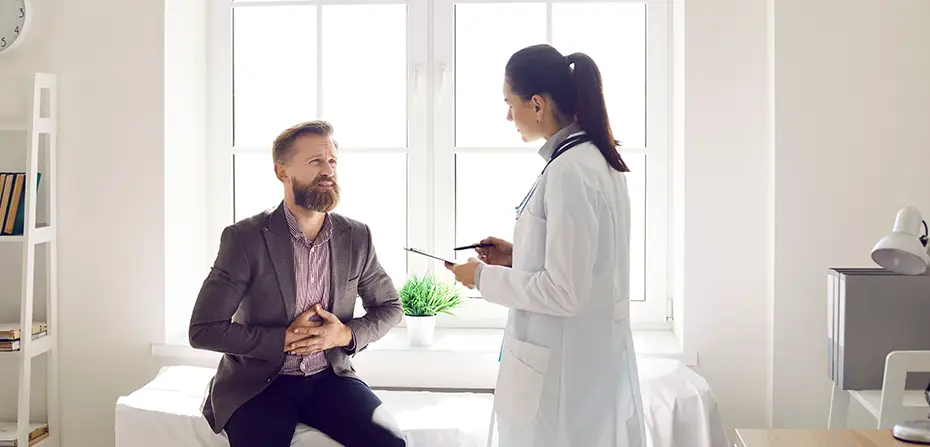
Man sitting on exam table clutching stomach, talking to female doctor with stethoscope in bright room.
Colorectal cancer is the second leading cause of cancer-related death in the United States, yet it is among the most preventable cancers when caught early. The key is screening before symptoms appear. By the time colorectal cancer produces noticeable symptoms, it has often already progressed to a more advanced and more difficult-to-treat stage. Routine screening changes that equation entirely, identifying precancerous polyps and early-stage cancers when intervention is straightforward, and outcomes are significantly better.
At Innovative GI, Dr. Sikavi takes a proactive, individualized approach to colorectal cancer prevention, selecting the right screening method for each patient based on their personal history, family risk, and clinical profile. If you are looking for the best colon cancer screening doctor in Los Angeles, Dr. Cameron Sikavi combines advanced diagnostic capability with a genuine commitment to catching problems early, when they are most treatable.

Should You Schedule a Colon Cancer Screening?

Current guidelines recommend that average-risk adults begin colorectal cancer screening at age 45. However, many patients require earlier or more frequent screening based on personal or family history. You should consider scheduling a colon cancer screening if you:
Man sitting on a sofa holding his stomach with a pained expression in a bright living room.
01
Are 45 or older and have not yet had a baseline screening
02
Have a personal history of colorectal polyps or colorectal cancer
03
Have a first-degree relative (parent, sibling, or child) who has been diagnosed with colorectal cancer or advanced polyps
04
Have a personal history of inflammatory bowel disease, including Crohn's disease or ulcerative colitis
05
Carry a hereditary condition such as Lynch syndrome or familial adenomatous polyposis (FAP)
06
Are experiencing symptoms such as rectal bleeding, changes in bowel habits, unexplained weight loss, or persistent abdominal discomfort
07
Are overdue for a repeat screening following a prior colonoscopy with polyp findings

Dr. Sikavi develops an individualized screening plan for each patient rather than using a generic protocol, ensuring the right test is performed at the right time for your specific risk level.

Schedule Consultation
The goal of colon cancer screening is to identify the full spectrum of colorectal abnormalities at their earliest and most manageable stages. There is no single colon cancer screening test that is right for every patient. The right approach depends on your risk level, prior screening history, personal preferences, and clinical circumstances. Dr. Sikavi will walk you through your options and recommend the most appropriate path forward. Through screening, Dr. Sikavi can identify and address:

What Colon Cancer Screening Can Detect

01

Precancerous Polyps

Adenomatous polyps are the most common precursor to colorectal cancer. Identifying and removing them during a colonoscopy eliminates the cancer risk they would otherwise carry over time.

02

Early-Stage Colorectal Cancer

When colorectal cancer is detected at stage one, the five-year survival rate exceeds 90 percent. Routine screening enables early detection before any symptoms appear.

03

Sessile Serrated Lesions

A specific type of polyp that can be flat and difficult to detect, sessile serrated lesions carry a meaningful cancer risk and are more likely to be identified by an experienced, thorough endoscopist.

04

Hereditary Cancer Syndromes

Colonoscopy findings combined with family history can raise suspicion for hereditary colorectal cancer syndromes, prompting genetic referral and more intensive surveillance.

05

Inflammatory Bowel Disease Complications

Patients with long-standing Crohn's disease or ulcerative colitis face an elevated risk of colorectal cancer. Surveillance colonoscopy monitors for dysplasia and early malignant changes in this high-risk population.

What Happens During a Colon Cancer Screening?
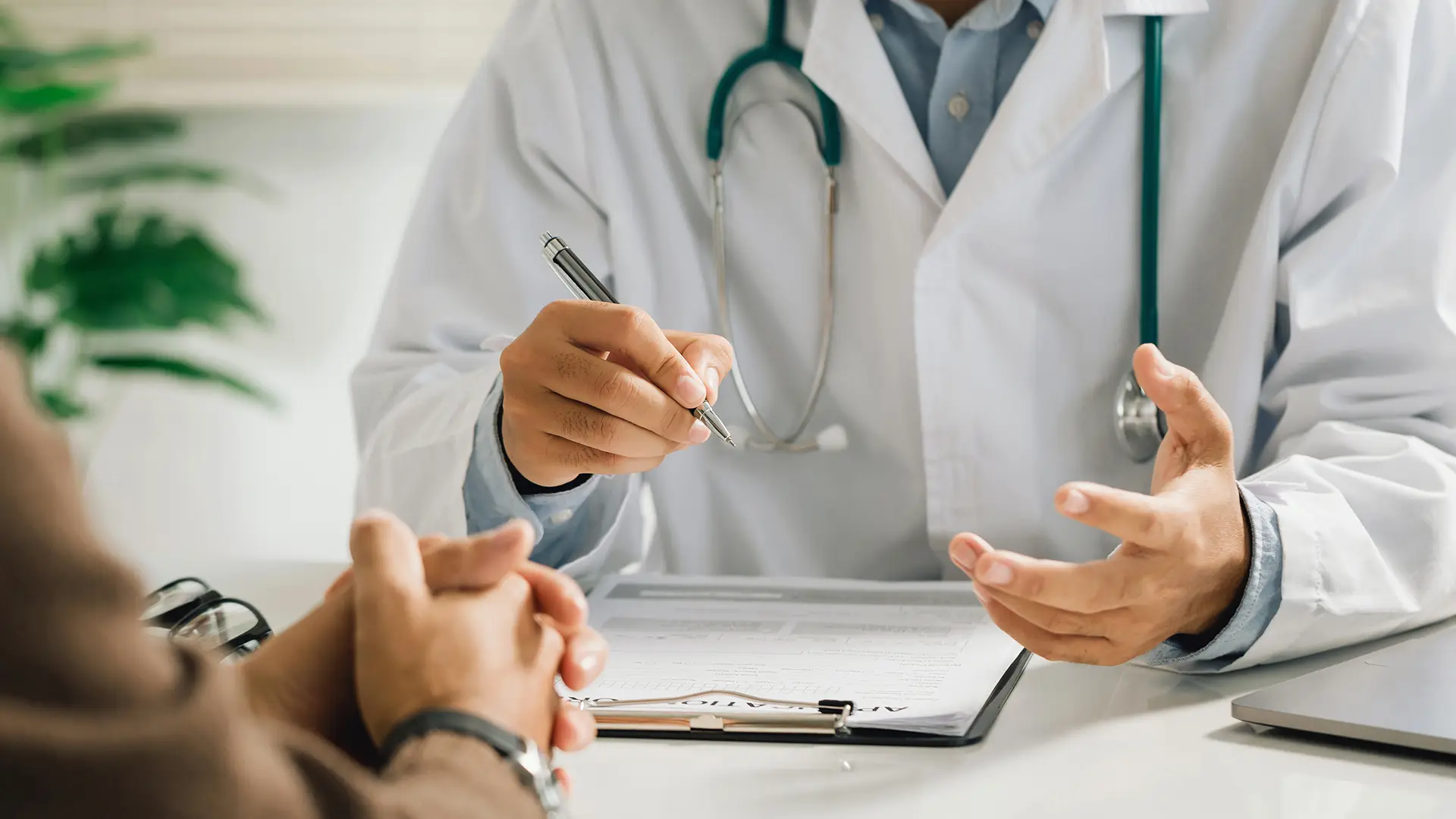
We have designed the entire experience around clarity, comfort, and efficiency, from your first call to your final follow-up. Here is what a colon cancer screening looks like at Innovative GI:
Preparation depends on the screening method
For colonoscopy, you will receive clear, easy-to-follow bowel preparation instructions to cleanse the colon before the procedure. Dr. Sikavi reviews your medication list, health history, and risk factors in advance so nothing is overlooked. For stool-based tests, preparation involves a straightforward at-home collection process with instructions provided by our team.
Colonoscopy is comfortable and efficient
You will be comfortably sedated throughout. Dr. Sikavi examines the entire colon with meticulous attention, removing any polyps or suspicious tissue on the spot so no return visit is required for findings addressed during the procedure.
Recovery from a colonoscopy is quick
Most patients are monitored on-site for 30 to 60 minutes before heading home. Any mild bloating from procedural air resolves shortly after. Dr. Sikavi personally walks you through your findings, next steps, and recommended screening intervals before you leave.
Plan to have a driver
Sedation prevents you from operating a vehicle after the procedure, so arrange a ride in advance. Stool-based testing requires no sedation and no driver.

Frequently Asked Questions About Colon Cancer Screening

Should I start colon cancer screening before age 45?
How often do I need to have my colon screened?
Colonoscopy vs. stool test: which colon cancer screening option is right for me?
What does a pathology result after polyp removal mean?

Why Patients Choose Innovative GI for Colon Cancer Screening in Los Angeles

Leading Innovative GI is Dr. Cameron Sikavi, a board-certified, UCLA-trained gastroenterologist who earned his medical degree from Chicago Medical School and completed a fellowship in Gastroenterology and Hepatology at UC Irvine. A published researcher and specialist in advanced endoscopic procedures, he is widely regarded as the best colon cancer screening doctor in Los Angeles for his meticulous technique, high polyp detection rate, and commitment to individualized, prevention-focused care.

Our Los Angeles gastroenterology practice, located directly across from Cedars-Sinai Medical Center in the heart of West Hollywood and Beverly Grove, was designed to feel different from a typical GI clinic:
  • High-definition colonoscopy equipment for maximum diagnostic clarity
  • Sedation-assisted procedures for a comfortable, stress-free screening experience
  • Open-access scheduling with no mandatory prior consultation for eligible patients
  • Multiple screening modalities to fit your risk profile and personal preferences
  • A focused, concierge-level environment where Dr. Sikavi gives you his full, undivided attention
  • Convenient access from Beverly Hills, West Hollywood, Mid-Wilshire, and the broader Westside
Ready to take a proactive step toward protecting your long-term colorectal health?
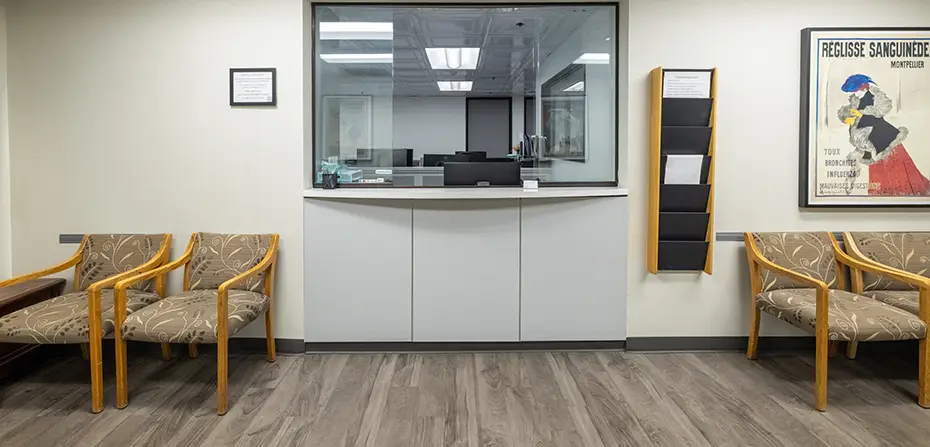
Waiting area with patterned chairs, a reception window, brochure holder, and framed poster on the wall.

Ready to stop guessing about your gastrointestinal issues and start feeling better?

Fill out the form and we’ll be in touch!