Ulcerative Colitis Treatment in Los Angeles

Specialized, Long-Term Care for Ulcerative Colitis and Inflammatory Bowel Disease

Understanding Ulcerative Colitis

Senior man with glasses consulting a female doctor in a bright office setting.
Ulcerative colitis is a chronic inflammatory bowel disease in which the immune system attacks the lining of the colon and rectum, producing persistent inflammation and ulceration that can range from mild to severely debilitating. Unlike Crohn's disease, ulcerative colitis is confined to the colon and follows a continuous pattern of involvement beginning at the rectum and extending proximally to varying degrees.
The disease course is defined by periods of active inflammation and remission, and the goal of treatment is to achieve deep, sustained remission that protects the colonic lining, prevents complications, and allows patients to live without the daily burden of active disease. At Innovative GI, Dr. Cameron Sikavi, widely regarded as the best ulcerative colitis doctor in Los Angeles, takes a proactive, individualized approach to UC management, using advanced diagnostics and the full spectrum of available therapies to keep inflammation controlled over the long term.

Signs and Symptoms of Ulcerative Colitis
Ulcerative colitis symptoms fluctuate with disease activity and vary based on the extent of colonic involvement. Common signs and symptoms include:
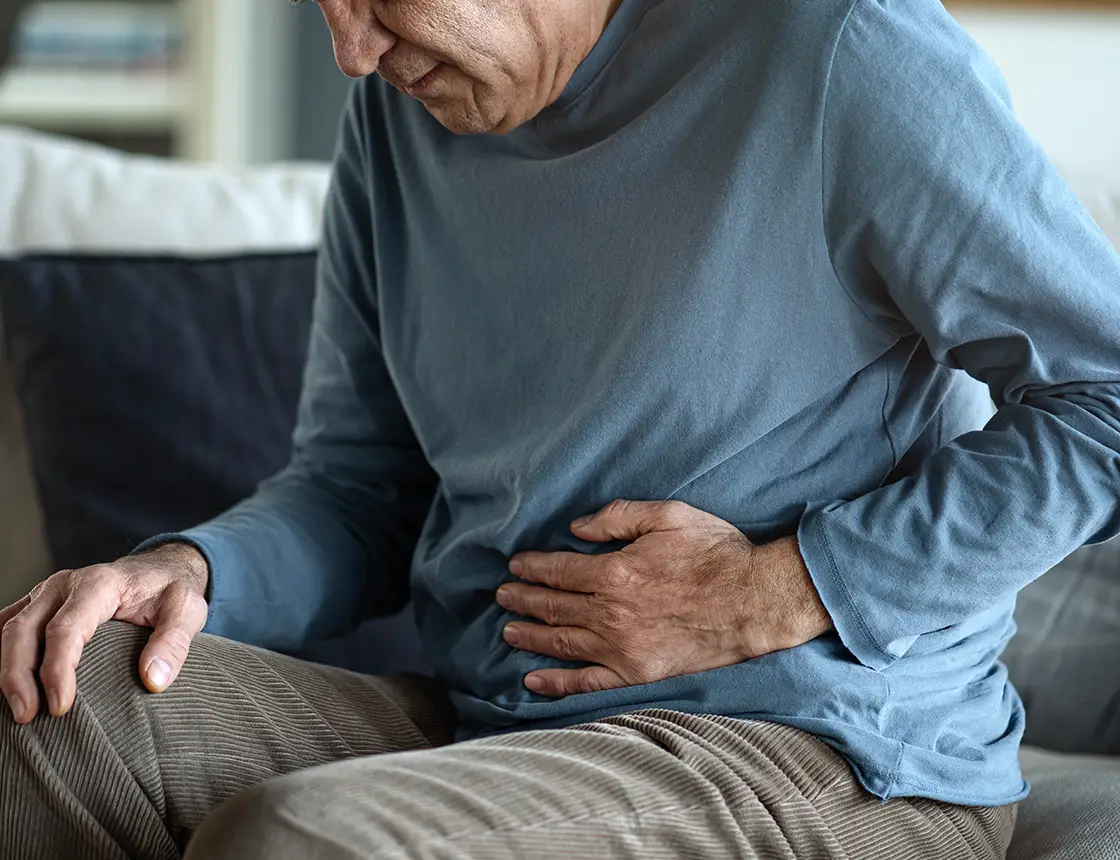
Man sitting on a couch holding his stomach, appearing to have abdominal pain or discomfort.
01
Recurrent or persistent diarrhea, often with blood or mucus
02
Urgency to defecate, sometimes with inability to delay
03
Abdominal cramping and pain, typically in the lower left abdomen
04
Tenesmus, a persistent sensation of needing to pass stool even when the bowel is empty
05
Unintentional weight loss during active flares
06
Fatigue disproportionate to activity level
07
Fever during significant disease exacerbations
08
Reduced appetite and nausea during active disease
09
Extraintestinal manifestations, including joint pain, skin conditions such as erythema nodosum, and eye inflammation

Because these symptoms overlap with infectious colitis, Crohn's disease, and functional GI disorders, objective endoscopic and pathological confirmation is essential before a diagnosis of ulcerative colitis can be established.

Schedule Consultation
Accurate diagnosis establishes the foundation for every treatment decision that follows. Dr. Sikavi uses a thorough, multimodal approach to confirm the diagnosis, characterize the extent and severity of disease, and identify any complications requiring attention. Diagnostic tools include:

How Ulcerative Colitis Is Diagnosed

01

Colonoscopy with Biopsy

Colonoscopy is the definitive diagnostic tool for ulcerative colitis, providing direct visualization of the colonic mucosa and the characteristic continuous inflammatory pattern that distinguishes UC from Crohn's disease. Tissue biopsies taken during the procedure confirm the diagnosis histologically and assess for dysplasia in patients with longstanding disease.

02

Flexible Sigmoidoscopy

In patients with active disease who require a less extensive initial evaluation, flexible sigmoidoscopy can assess the rectum and left colon while minimizing procedural burden during a significant flare.

03

Cross-Sectional Imaging

CT or MR imaging of the abdomen and pelvis evaluates for complications, including toxic megacolon, perforation, and extraluminal disease in patients presenting with severe or fulminant colitis.

04

Laboratory and Inflammatory Markers

Blood and stool tests, including CRP, ESR, complete blood count, fecal calprotectin, and stool cultures, help assess disease activity, rule out infectious mimics, and monitor treatment response over time.

05

Surveillance Colonoscopy

Patients with longstanding or extensive ulcerative colitis face an elevated risk of colorectal cancer. Dr. Sikavi establishes an individualized surveillance schedule based on disease duration, extent, and additional risk factors to detect dysplasia early when intervention is most effective.

How Ulcerative Colitis Is Treated
Effective ulcerative colitis treatment requires a strategy calibrated to the extent and severity of the disease, each patient's individual history, and treatment response. Dr. Sikavi takes a layered, evolving approach that prioritizes deep remission and mucosal healing as the primary treatment targets.
Aminosalicylates (5-ASA)
For mild to moderate ulcerative colitis, aminosalicylate medications, including mesalamine, are the first-line treatment. They are delivered orally, rectally, or in combination depending on disease location and extent, and are effective for both inducing and maintaining remission in appropriate patients.
Biologic and advanced therapies
For moderate-to-severe UC or disease that has not responded to conventional therapy, biologic agents targeting TNF-alpha, integrins, and interleukins, as well as small-molecule inhibitors, including JAK inhibitors, represent the most effective options for achieving and sustaining remission. Dr. Sikavi selects the appropriate therapy based on disease severity, prior treatment history, and individual patient factors.
Corticosteroids
Used for short-term management of acute flares, corticosteroids are effective for rapid induction of remission but are not appropriate for long-term maintenance. Dr. Sikavi manages steroid use carefully to minimize systemic exposure and steroid dependence.
Immunomodulators
Azathioprine and 6-mercaptopurine are used in combination with biologic therapy to optimize treatment response and reduce the risk of antibody formation against biologic agents.
Therapeutic drug monitoring
Drug level and antibody testing allow Dr. Sikavi to optimize biologic dosing and identify loss of response before disease activity escalates, enabling timely and proactive treatment adjustments.
Surgical referral
For patients with medically refractory disease, dysplasia, or acute severe colitis requiring surgical intervention, Dr. Sikavi coordinates referrals to experienced colorectal surgeons and remains involved in post-operative care and ongoing surveillance.

Frequently Asked Questions About Ulcerative Colitis

Is ulcerative colitis curable?
How does ulcerative colitis location affect treatment decisions?
Who needs regular surveillance colonoscopy for ulcerative colitis?
What labs are monitored during ulcerative colitis care?
What should I do if I think I am having a flare?

Why Patients Choose Innovative GI for Ulcerative Colitis Treatment in Los Angeles

Ulcerative colitis is a lifelong condition that demands a physician who brings both clinical expertise and sustained commitment to every patient relationship. The difference between adequate and excellent UC management shows up over the years in flare frequency, mucosal healing rates, and long-term protection of colonic health.

Dr. Cameron Sikavi is a board-certified gastroenterologist and the best gastroenterologist in Los Angeles for patients seeking a physician who combines elite academic training with a deeply individualized approach to inflammatory bowel disease. He earned his medical degree from Chicago Medical School and completed a specialized fellowship in Gastroenterology and Hepatology at UC Irvine. A published researcher with specific expertise in IBD and advanced endoscopic diagnostics, he brings the clinical depth that complex, chronic conditions require.

Our Los Angeles gastroenterology practice, located directly across from Cedars-Sinai Medical Center in the heart of West Hollywood and Beverly Grove, was designed to feel different from a typical GI clinic:
  • Comprehensive IBD evaluation including colonoscopy, flexible sigmoidoscopy, and cross-sectional imaging
  • Access to the full spectrum of biologic, immunomodulator, and small molecule therapies
  • Therapeutic drug monitoring to optimize treatment response and prevent loss of efficacy
  • Individualized surveillance colonoscopy protocols based on disease duration and risk factors
  • A focused, concierge-level environment where Dr. Sikavi gives you his full, undivided attention
  • Convenient access from Beverly Hills, West Hollywood, Mid-Wilshire, and the broader Westside
Ready for ulcerative colitis care in Los Angeles engineered to keep you in remission for the long term?
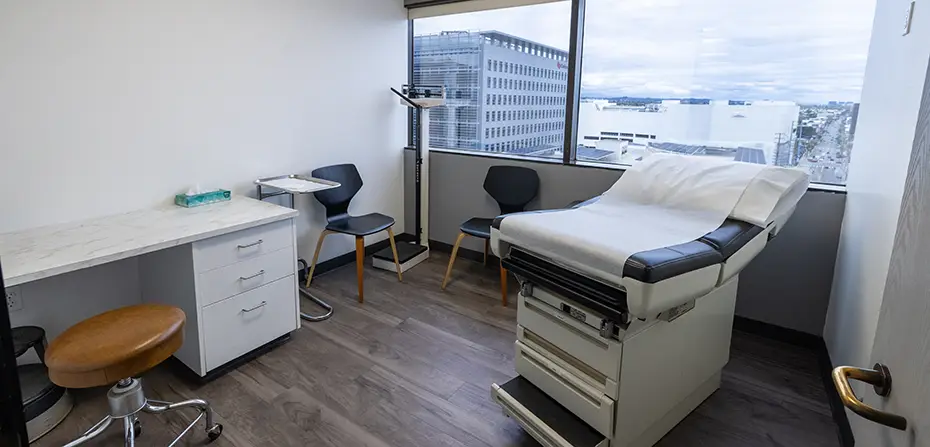
Medical exam room with a patient bed, two chairs, a scale, and a desk near a large window.

Ready to stop guessing about your gastrointestinal issues and start feeling better?

Fill out the form and we’ll be in touch!