Gas & Bloating Treatment in Los Angeles

Discovering the Real Source of Chronic Bloating, Gas, and Abdominal Distention

Understanding Chronic Gas and Bloating

Female patient smiling while consulting with a male doctor in a bright medical office.
Occasional bloating after a large meal is common. Bloating that is persistent, recurrent, or severe enough to interfere with daily life, clothing comfort, or eating habits is a clinical problem that deserves a real answer. The same applies to chronic gas, belching, and abdominal distention that do not resolve with dietary changes or over-the-counter remedies.
Gas and bloating are among the most common GI complaints and among the most frequently dismissed. Patients are often told to avoid certain foods, take probiotics, or manage stress without anyone identifying the specific mechanism underlying their symptoms. At Innovative GI, Dr. Cameron Sikavi, widely recognized as the best doctor for abdominal bloating in Los Angeles, takes a diagnostic-first approach to chronic gas and bloating, investigating the underlying cause with precision rather than offering generalized lifestyle advice in place of answers.

What Causes Chronic Gas and Bloating?

Chronic gas and bloating have a broad differential. Identifying the correct underlying mechanism is the only way to build a treatment plan that produces lasting results. Conditions Dr. Sikavi evaluates include:
Older woman sitting on sofa clutching stomach with eyes closed in apparent abdominal pain.

Small Intestinal Bacterial Overgrowth (SIBO)

SIBO is one of the most common and most commonly overlooked drivers of chronic bloating and gas. Excessive bacteria in the small intestine ferment undigested food, producing hydrogen, methane, and hydrogen sulfide gases that cause significant distention, discomfort, and altered bowel habits. Breath testing confirms the diagnosis.

Irritable Bowel Syndrome (IBS)

Bloating and gas are among the most frequently reported symptoms of IBS, driven by visceral hypersensitivity, altered gut motility, and disordered microbiome composition. An accurate IBS diagnosis requires first excluding structural and inflammatory causes.

Food Intolerances and Malabsorption

Lactose intolerance, fructose malabsorption, and sensitivity to fermentable carbohydrates (FODMAPs) can cause significant gas and bloating due to bacterial fermentation of unabsorbed sugars in the colon. Breath testing can identify specific intolerances.

Gastroparesis and Motility Disorders

When the stomach empties too slowly, or intestinal transit is impaired, food and gas accumulate in the GI tract, leading to persistent fullness, bloating, and nausea. Motility disorders are frequently underdiagnosed in patients with chronic upper abdominal bloating.

Celiac Disease

Immune-mediated damage to the small intestinal lining impairs nutrient absorption and produces significant bloating, gas, and diarrhea that can persist for years before the diagnosis is established.

Inflammatory Bowel Disease (IBD)

Crohn's disease and ulcerative colitis produce inflammation that disrupts normal digestive function and contributes to bloating, cramping, and altered bowel habits alongside more prominent inflammatory symptoms.

Pancreatic Insufficiency

Inadequate production of digestive enzymes impairs fat and nutrient absorption, leading to bloating, gas, and loose stools as undigested food reaches the colon and is fermented by bacteria.

Structural Causes

Colonic strictures, adhesions from prior abdominal surgery, and other structural abnormalities can impair the normal transit of gas and stool through the GI tract, resulting in symptoms that do not respond to dietary or pharmacological interventions.

Schedule Appointment
We have designed the entire diagnostic experience around clarity, efficiency, and thoroughness, from your first call to your final follow-up. Here is what the process looks like at Innovative GI:

How Gas and Bloating Are Diagnosed

01

Thorough Clinical Evaluation Comes First

Dr. Sikavi conducts a detailed review of your symptom pattern, dietary habits, bowel function, medication list, and relevant medical and family background. The consultation is unhurried and focused, with no computer screen between you and the physician.

02

Advanced Diagnostics Follow the Clinical Picture

Depending on your presentation, Dr. Sikavi may use breath testing for SIBO and specific food intolerances; colonoscopy; upper endoscopy; gastric emptying studies; targeted laboratory work, including celiac testing and pancreatic markers; or cross-sectional imaging to identify the source of your symptoms.

03

Results Are Interpreted with Full Clinical Context

Test findings are never evaluated in isolation. Dr. Sikavi integrates all results with your symptom history and risk factors to identify the specific mechanism responsible for your bloating and gas before recommending a course of action.

04

A Personalized TreatmentPlan Follows

Once the cause is identified, Dr. Sikavi develops an individualized management plan that directly addresses the underlying condition, with clear next steps and defined follow-up.

How Gas and Bloating Are Treated
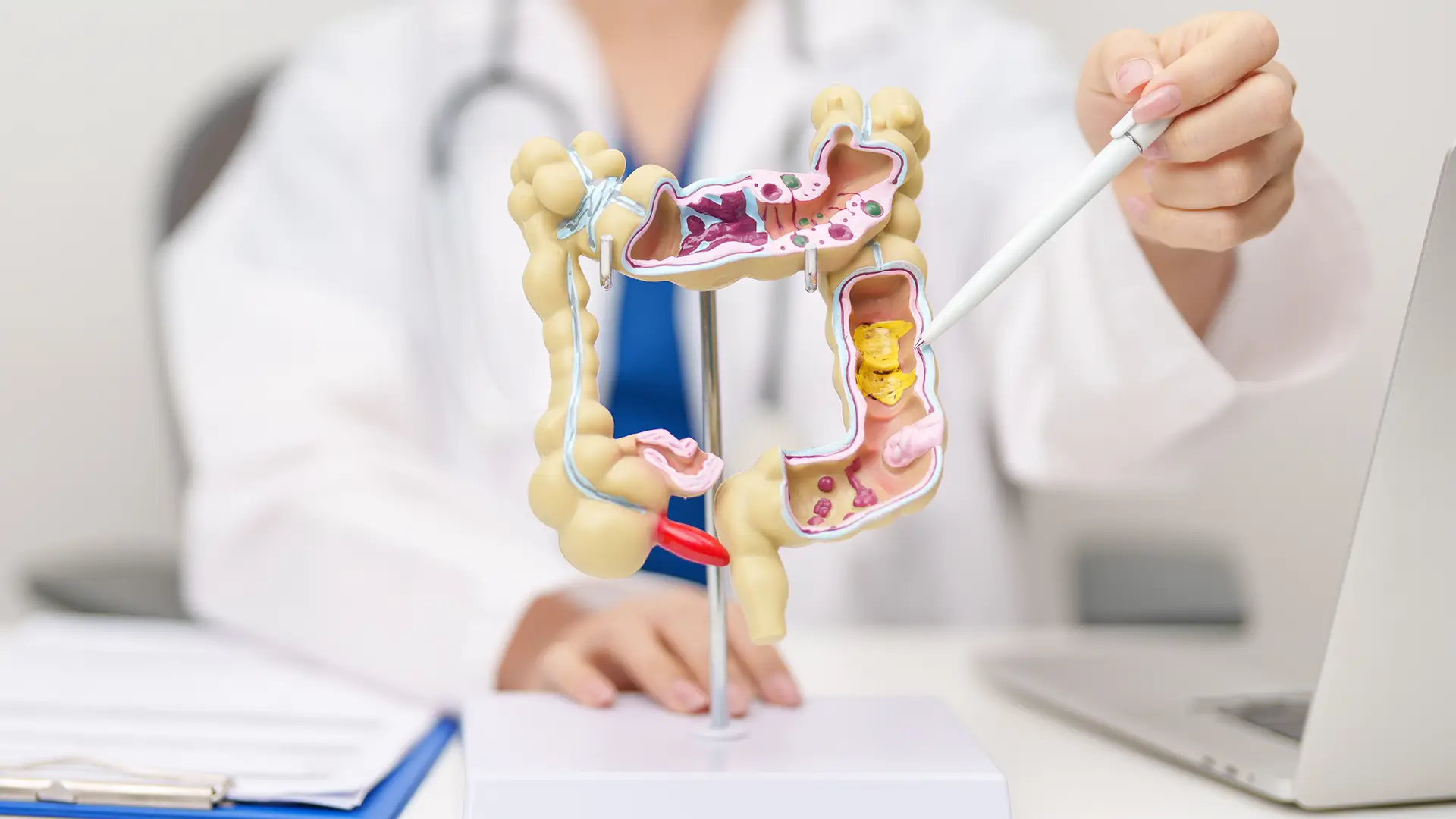
Treatment depends entirely on the underlying diagnosis. Dr. Sikavi develops individualized protocols that target the specific cause of your symptoms rather than applying a generic approach.
SIBO treatment
When bacterial overgrowth is confirmed, targeted antibiotic therapy combined with dietary modification and prokinetic support addresses the bacterial source of gas production and significantly reduces bloating and distention.
Dietary and nutritional guidance
A low-FODMAP diet, lactose elimination, or targeted dietary modifications reduce the fermentable substrate available to gut bacteria and can produce meaningful symptom improvement in patients with IBS, food intolerances, and SIBO. Dr. Sikavi provides specific, personalized dietary recommendations rather than a generic elimination plan.
Motility-directed therapy
When gastroparesis or intestinal dysmotility is identified, prokinetic medications and dietary modifications targeting gastric emptying and intestinal transit reduce the gas accumulation and fullness that characterize these conditions.
Enzyme replacement
Patients with pancreatic insufficiency benefit from digestive enzyme supplementation that improves food breakdown and reduces the fermentable substrate reaching the colon.
IBD and celiac management
When inflammatory bowel disease or celiac disease is identified as the underlying cause, condition-specific treatment targeting mucosal healing produces sustained improvement in bloating alongside other disease symptoms.
Targeted pharmacotherapy
Antispasmodics, gut-directed antibiotics, secretagogues, and other prescription options are selected based on the confirmed diagnosis and symptom pattern rather than empirical trial and error.

Frequently Asked Questions About Gas and Bloating

Why does my bloating worsen throughout the day?
Can stress cause bloating?
Is bloating a sign of something serious?
When is a colonoscopy recommended for chronic bloating?
What tests can identify why bloating does not improve with diet changes?

Why Patients Choose Innovative GI for Gas and Bloating Treatment in Los Angeles

Patients who come to Innovative GI for chronic gas and bloating have typically already tried dietary changes, elimination diets, and over-the-counter remedies without lasting relief. What they find here is a physician who approaches bloating as a diagnostic challenge rather than a minor inconvenience.

Dr. Cameron Sikavi is a board-certified, UCLA-trained gastroenterologist who earned his medical degree from Chicago Medical School and completed a specialized fellowship in Gastroenterology and Hepatology at UC Irvine. A published researcher and specialist in functional GI disorders, microbiome medicine, and advanced diagnostics, he is widely recognized as the best doctor for abdominal bloating in Los Angeles for his ability to identify the specific source of chronic gas and bloating and build a treatment plan that produces real, lasting results.

Our Los Angeles gastroenterology practice, located directly across from Cedars-Sinai Medical Center in the heart of West Hollywood and Beverly Grove, was designed to feel different from a typical GI clinic:


  • In-office breath testing for SIBO, lactose intolerance, and fructose malabsorption
  • Colonoscopy, upper endoscopy, and motility testing for comprehensive structural and functional evaluation
  • Individualized treatment protocols built around confirmed diagnostic findings
  • Dietary guidance tailored to your specific diagnosis and symptom pattern
  • A focused, concierge-level environment where Dr. Sikavi gives you his full, undivided attention
  • Convenient access from Beverly Hills, West Hollywood, Mid-Wilshire, and the broader Westside
Ready to find out what is actually behind your chronic gas and bloating?
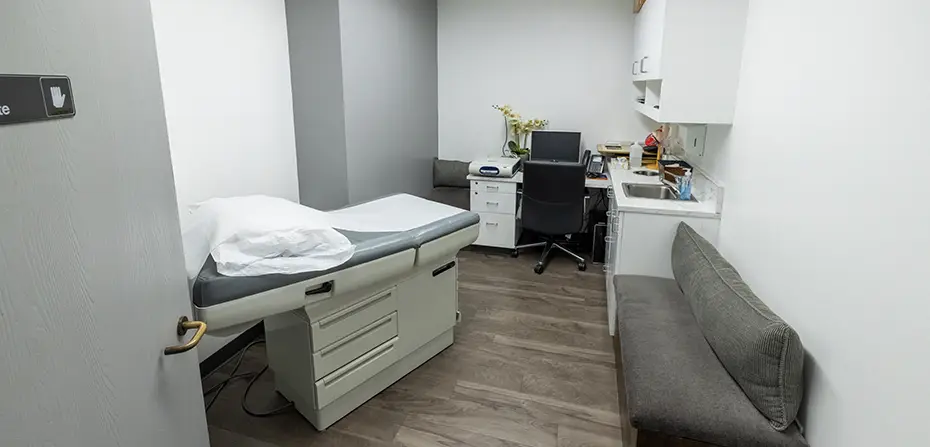
Small medical exam room with exam table, chair, desk, computer, and bench seating.

Ready to stop guessing about your gastrointestinal issues and start feeling better?

Fill out the form and we’ll be in touch!