Irritable Bowel Syndrome (IBS) Treatment in Los Angeles

Finding the Cause of Chronic Bloating, Abdominal Pain, and Unpredictable Bowel Habits

Understanding IrritableBowel Syndrome

Male doctor and patient reviewing medical documents together in a bright consultation room.

Irritable Bowel Syndrome (IBS) is one of the most common gastrointestinal disorders, yet it remains one of the most misunderstood. Many patients are told they simply have a "sensitive stomach" or are advised to avoid certain foods without ever receiving a thorough evaluation of what may actually be driving their symptoms.

IBS is a functional gastrointestinal disorder characterized by recurring abdominal pain, bloating, gas, and changes in bowel habits that may include diarrhea, constipation, or a combination of both.

While IBS does not cause structural damage to the digestive tract, its impact on quality of life can be significant, affecting work, travel, social activities, sleep, and overall well-being.

At Innovative GI, Dr. Cameron Sikavi, widely regarded as the best doctor for IBS in Los Angeles, takes a comprehensive, diagnostic-first approach to evaluating chronic digestive symptoms. Rather than simply labeling symptoms as IBS, he works to identify contributing factors, rule out other conditions, and develop a personalized treatment strategy based on your specific symptom pattern.

What Causes IBS?

IBS is a complex condition influenced by multiple factors, and no two patients experience it exactly the same way. Potential contributors Dr. Sikavi evaluates include:
Woman in casual clothes standing by desk, clutching stomach with a pained expression in an office.

Altered Gut-Brain Signaling

Communication between the digestive system and nervous system can become dysregulated, leading to heightened sensitivity, abdominal discomfort, and changes in bowel function.

Small Intestinal Bacterial Overgrowth (SIBO)

Excess bacteria within the small intestine can produce symptoms that closely resemble IBS, including bloating, gas, abdominal pain, diarrhea, and constipation. Breath testing helps determine whether SIBO is contributing to symptoms.

Post-Infectious IBS

Some patients develop IBS following a gastrointestinal infection. Symptoms may persist long after the original infection has resolved.

Food Intolerances and Dietary Triggers

Certain carbohydrates, lactose, fructose, artificial sweeteners, and other dietary components may trigger symptoms in susceptible individuals.

Gut Motility Disorders

Abnormal intestinal movement can contribute to constipation-predominant IBS (IBS-C), diarrhea-predominant IBS (IBS-D), or mixed bowel patterns
(IBS-M).

Visceral Hypersensitivity

Patients with IBS often experience increased sensitivity to normal digestive processes, causing discomfort even when no structural abnormality is present.

Stress and Psychological Factors

Stress does not cause IBS, but it can significantly worsen symptoms by affecting gut motility, sensitivity, and nervous system signaling.

Celiac Disease

Celiac disease can closely mimic IBS symptoms and should be excluded through appropriate testing before a diagnosis of IBS is confirmed.

Inflammatory Bowel Disease (IBD)

Crohn's disease and ulcerative colitis may initially present with symptoms similar to IBS and require evaluation to distinguish between the two conditions.

Microscopic Colitis and Other GI Disorders

Several gastrointestinal conditions can resemble IBS and must be ruled out before treatment recommendations can be made with confidence.

Schedule Appointment
We have designed the entire diagnostic experience around clarity, efficiency, and thoroughness, from your first call to your final follow-up. Here is what IBS evaluation looks like at Innovative GI:

How IBS Is Diagnosed

01

Thorough Clinical Evaluation

Dr. Sikavi performs a detailed review of your symptoms, bowel habits, dietary patterns, medical history, medications, stress factors, and previous testing. The goal is to understand how your symptoms fit together rather than simply assigning a diagnosis.

02

Targeted Diagnostic Testing When Appropriate

Depending on your symptoms and risk factors, Dr. Sikavi may recommend breath testing for SIBO, stool testing, laboratory evaluation, celiac screening, colonoscopy, upper endoscopy, or additional studies to exclude other gastrointestinal conditions.

03

A Careful Process Of Exclusion And Confirmation

IBS is diagnosed based on established clinical criteria while simultaneously ensuring that inflammatory, infectious, structural, and metabolic causes of symptoms have been appropriately evaluated.

04

An Individualized Treatment Roadmap

Once the diagnostic picture is complete, Dr. Sikavi develops a personalized plan designed to reduce symptoms, improve digestive function, and help patients regain confidence in their daily lives.

How IBS Is Treated

IBS treatment in Los Angeles should never follow a one-size-fits-all formula. Because symptom patterns and underlying contributors vary significantly between patients, Dr. Sikavi creates highly individualized treatment plans tailored to each diagnosis.
Dietary modification
Certain foods may trigger symptoms in susceptible individuals. Dietary recommendations may include targeted elimination strategies, low-FODMAP guidance, or other nutritional interventions based on your symptom profile.
IBS-directed medications
Depending on whether diarrhea, constipation, abdominal pain, bloating, or urgency are predominant symptoms, prescription medications may be used to improve bowel function and symptom control.
SIBO treatment
When bacterial overgrowth is identified, targeted antibiotic therapy and strategies to support normal motility may significantly improve bloating, gas, and irregular bowel habits.
Gut-brain therapies
Because the digestive system and nervous system are closely connected, select patients may benefit from therapies designed to improve gut-brain communication and reduce symptom sensitivity.
Management of IBS-C and IBS-D
Constipation-predominant and diarrhea-predominant IBS often require different treatment approaches. Dr. Sikavi tailors therapy to your specific bowel pattern rather than treating all IBS patients the same way.
Ongoing symptom optimization
IBS management is often an evolving process. Follow-up care allows treatment strategies to be refined based on your response and changing symptoms over time.

Frequently Asked Questions About IBS

What are the most common symptoms of IBS?
How do you know if symptoms are IBS or something more serious?
Can IBS develop later in life?
Does stress cause IBS?
Can IBS be cured?

Why Patients Choose Innovative GI for IBS Treatment in Los Angeles

If you've been struggling with chronic bloating, abdominal discomfort, unpredictable bowel habits, or digestive symptoms that have never been fully explained, our goal is to provide clarity and a path forward. Dr. Sikavi, the best doctor for IBS in Los Angeles, focuses on understanding the factors driving your symptoms rather than simply assigning a diagnosis and moving on.

He is a board-certified, UCLA-trained gastroenterologist who earned his medical degree from Chicago Medical School and completed a specialized fellowship in Gastroenterology and Hepatology at UC Irvine. A published researcher with expertise in advanced GI diagnostics, microbiome disorders, motility conditions, and complex digestive diseases, he brings a highly analytical and personalized approach to IBS evaluation and treatment.

Our Los Angeles gastroenterology practice, located directly across from Cedars-Sinai Medical Center in the heart of West Hollywood and Beverly Grove, was designed to feel different from the standard GI clinic:


  • Advanced diagnostic testing, including SIBO breath testing, colonoscopy, upper endoscopy, stool testing, and targeted laboratory evaluation
  • Personalized treatment plans based on your unique symptom pattern and diagnostic findings
  • Expertise in IBS, SIBO, chronic bloating, motility disorders, and complex digestive conditions
  • A focused, concierge-level environment where Dr. Sikavi gives you his full, undivided attention
  • Convenient access from Beverly Hills, West Hollywood, Mid-Wilshire, and the broader Westside
Ready to get answers about your IBS symptoms so you can finally find truly lasting relief?
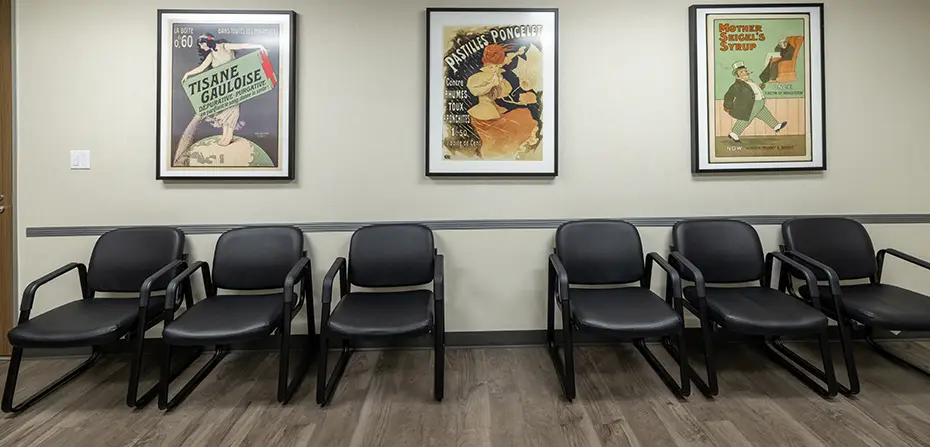
Waiting room with seven black chairs arranged in a row under three vintage framed posters on a beige wall.

Ready to stop guessing about your gastrointestinal issues and start feeling better?

Fill out the form and we’ll be in touch!