Upper Endoscopy in Los Angeles

Advanced Upper GI Diagnostics with EGD and Capsule Endoscopy

Understanding the Upper Endoscopy Procedure
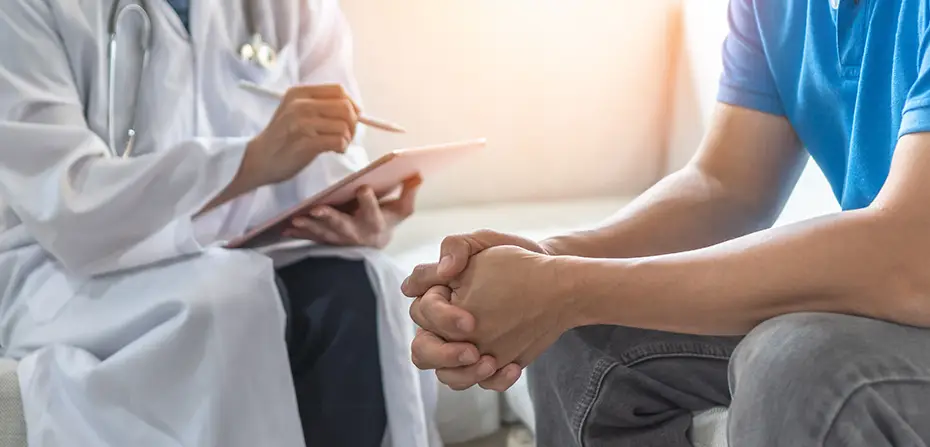
Doctor in white coat holding tablet, consulting patient with hands clasped in blue shirt and jeans.
An upper endoscopy, also called an EGD (esophagogastroduodenoscopy), is a minimally invasive procedure that allows Dr. Sikavi to directly examine the lining of the esophagus, stomach, and the upper portion of the small intestine (the duodenum). Using a thin, flexible scope equipped with a high-definition camera, he can identify inflammation, ulcers, bleeding sources, structural abnormalities, and early signs of malignancy with a level of clarity that no external imaging study can replicate. Like a colonoscopy, an upper endoscopy is both diagnostic and therapeutic as tissue samples can be collected and certain conditions treated during the same procedure.

For cases involving the small bowel, which is an area too deep for a standard EGD to reach, Dr. Sikavi also offers capsule endoscopy, a non-invasive alternative in which the patient swallows a small, pill-sized camera that captures thousands of images as it travels through the digestive tract.

Together, these two modalities give Dr. Sikavi a comprehensive view of the entire upper GI system. If you are looking for the best upper endoscopy doctor in Los Angeles, Dr. Cameron Sikavi brings the diagnostic precision, investigative rigor, and an open-access approach to find what others miss.

Should You Schedule an Upper Endoscopy?
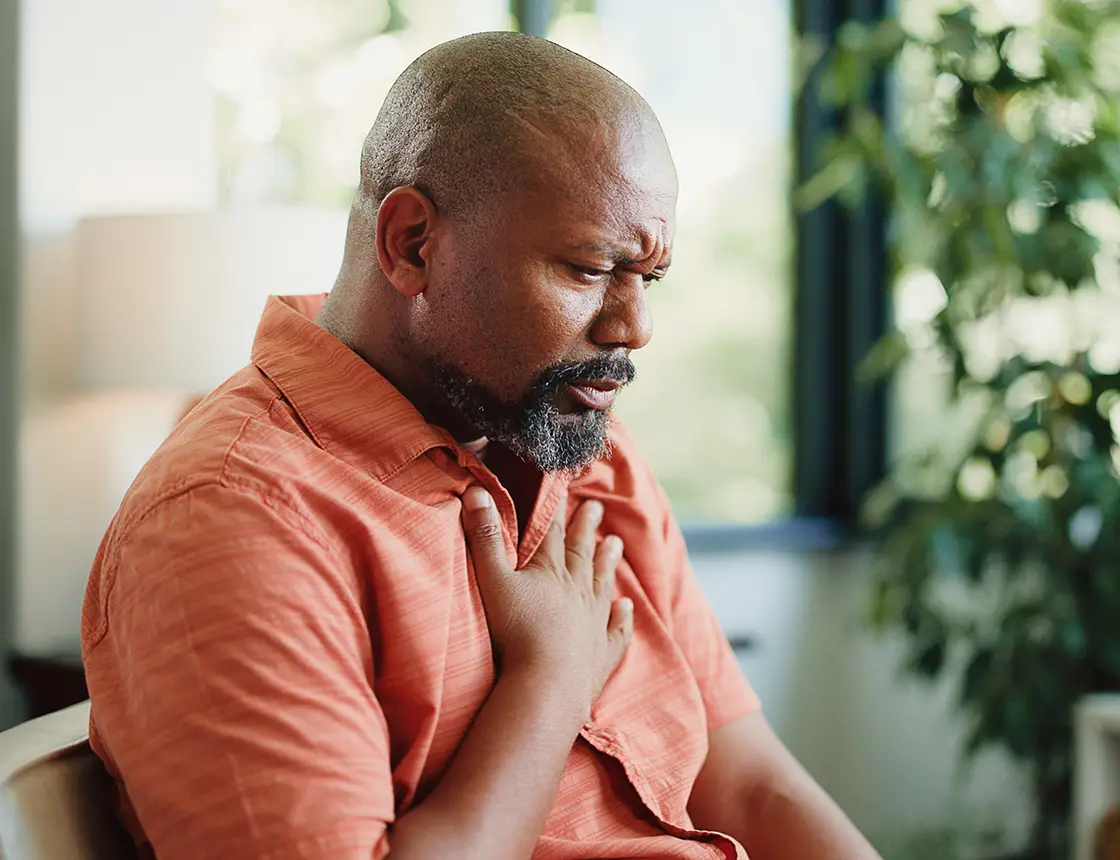
An upper endoscopy is recommended when symptoms suggest involvement of the esophagus, stomach, or upper small intestine, or when prior testing has failed to identify a cause. You should consider scheduling for the following symptoms:
Man in orange shirt clutching his chest with a pained expression, sitting indoors near a window.
01
Persistent heartburn, acid reflux, or other GERD symptoms that do not improve with treatment
02
Difficulty or pain when swallowing (dysphagia or odynophagia)
03
Unexplained nausea, vomiting, or early satiety
04
Upper abdominal pain or persistent indigestion
05
Blood in your vomit or black, tarry stools
06
Iron-deficiency anemia
07
Barrett's esophagus or a history of upper GI conditions

Dr. Sikavi develops a targeted diagnostic plan for each patient based on symptom history, prior test results, and clinical presentation, not a one-size-fits-all protocol. Capsule endoscopy may be recommended if small bowel imaging is needed and standard endoscopy has not identified a source.

Schedule Consultation
A direct, high-definition view of the upper GI tract allows Dr. Sikavi to identify conditions that blood tests, imaging, and symptom history alone often cannot confirm. Conditions he routinely investigates and diagnoses using upper endoscopy and capsule endoscopy include:

What an Upper Endoscopy Diagnoses

01

GERD and Barrett's Esophagus

Chronic acid reflux can damage the esophageal lining over time, leading to Barrett's esophagus, which is a precancerous condition that requires monitoring. Upper endoscopy confirms the diagnosis and assesses severity.

02

Peptic Ulcers

Ulcers in the stomach or duodenum are directly visualized during an EGD, allowing Dr. Sikavi to assess their size, location, and the presence of active bleeding.

03

Unexplained Upper GI Bleeding

Black or tarry stools and vomiting blood are urgent symptoms. Upper endoscopy identifies the source, whether a bleeding ulcer, esophageal varices, or a vascular abnormality, quickly and precisely.

04

Celiac Disease

Characteristic changes to the lining of the duodenum are visible during an EGD, and biopsies taken during the procedure confirm the diagnosis.

05

Esophageal Conditions

Strictures, rings, eosinophilic esophagitis, and motility abnormalities can all be identified and, in some cases, treated during the same procedure.

06

Small Bowel Disease

When standard upper endoscopy and colonoscopy fail to identify a bleeding source or explain chronic symptoms, capsule endoscopy provides a non-invasive window into the small intestine, which is an area that is otherwise difficult to evaluate.

07

H. Pylori Infection

Biopsies collected during an EGD can confirm the presence of H. pylori, a bacterial infection closely linked to peptic ulcers and gastric cancer risk.

What Happens During an Upper Endoscopy?
We've designed our upper endoscopy in Los Angeles with clarity, comfort, and efficiency, from your first call to your final follow-up. Here is what the upper endoscopy process looks like at Innovative GI:
Preparation is minimal
For a standard EGD, you'll fast for several hours before the procedure, typically nothing to eat or drink after midnight. Dr. Sikavi reviews your medication list and health history in advance to flag anything that requires adjustment.
The procedure is comfortable and fast
You'll be comfortably sedated throughout. Dr. Sikavi guides the endoscope gently through the mouth and into the upper GI tract, examining the lining carefully and collecting tissue samples or performing treatment as needed. Most EGDs are completed in 15 to 30 minutes.
Capsule endoscopy requires no sedation
You simply swallow the capsule camera with water, wear a small recording device throughout the day, and go about your normal activities while it captures images. The capsule passes naturally, and Dr. Sikavi reviews the recorded footage to analyze the small bowel in detail.
Recovery from EGD is quick
Most patients are monitored on-site for 30 to 60 minutes before heading home. A mild sore throat or temporary bloating is normal and resolves shortly after. Dr. Sikavi personally walks you through your results, findings, and next steps before you leave.
Plan to have a driver for EGD
Sedation prevents you from operating a vehicle after the procedure, so arrange a ride in advance. Capsule endoscopy requires no sedation and no driver.

Frequently Asked Questions About Upper Endoscopy

What should I expect after an upper endoscopy?
How do I know whether I need an EGD or capsule endoscopy?
How much time should I plan for an upper endoscopy appointment?
Can an upper endoscopy detect cancer?
Can I schedule an open-access upper endoscopy in Los Angeles?

Why Patients Choose Innovative GI for Upper Endoscopy in Los Angeles

Innovative GI leads the field with the investigative depth Dr. Sikavi brings to every procedure. Rather than performing a routine scope and moving on, he approaches every upper endoscopy as a diagnostic opportunity, looking carefully, sampling precisely, and following findings wherever they lead.

Dr. Cameron Sikavi is a board-certified, UCLA-trained gastroenterologist who earned his medical degree from Chicago Medical School and completed a specialized fellowship in Gastroenterology and Hepatology at UC Irvine. A published researcher and specialist in advanced endoscopic procedures, including capsule endoscopy, he is recognized as the best upper endoscopy doctor in Los Angeles for his technical precision and commitment to answers that go beyond the surface.

Our Los Angeles gastroenterology practice, located directly across from Cedars-Sinai Medical Center in the heart of West Hollywood and Beverly Grove, was designed to feel different from a typical GI clinic:

  • High-definition endoscopy equipment for maximum diagnostic clarity
  • Sedation-assisted EGD for a comfortable, stress-free experience
  • Capsule endoscopy is available for comprehensive small bowel evaluation
  • Open-access scheduling with no mandatory prior consultation for eligible patients
  • A focused, concierge-level environment where Dr. Sikavi gives you his full, undivided attention
  • Convenient access from Beverly Hills, West Hollywood, Mid-Wilshire, and the broader Westside
Ready for an upper endoscopy experience built around finding real answers?
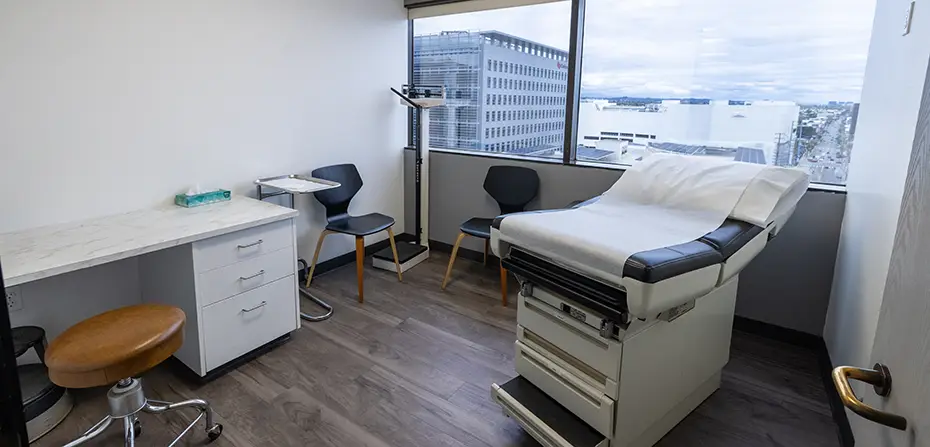
Medical exam room with examination table, chairs, stool, scale, and large window showing city view.

Ready to stop guessing about your gastrointestinal issues and start feeling better?

Fill out the form and we’ll be in touch!